


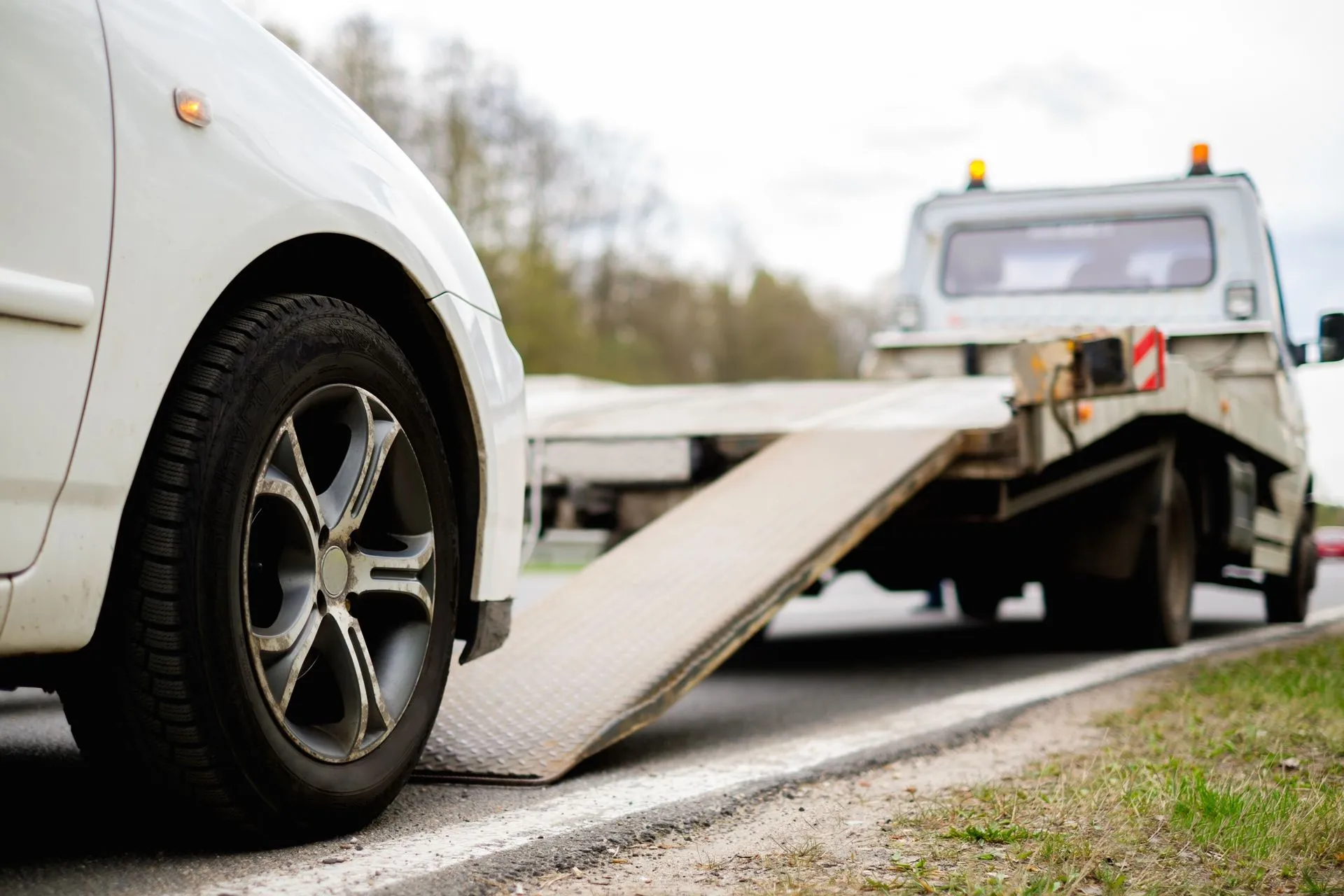
Utilizing Flatbeds for Safe Transport
Flatbeds rank among the most versatile and frequently utilized vehicles in the industry today. They feature a long, flat platform that hydraulically inclines and slides to ground level. This structure allows a car to be driven onto the bed or pulled up by a winch, delivering a highly secure option for moving. The flatbed layout minimizes damage risks by lifting the entire vehicle off the ground, completely avoiding road and undercarriage contact. These flatbed tow trucks remain the go-to option for moving high-value sports cars because they deliver maximum protection during transit. Whether managing standard towing or new car delivery, flatbeds deliver optimal efficiency without compromising safety along the route.
Reviewing Advantages and Limitations of Flatbeds
The advantages of using flatbeds are numerous, starting with their ability to handle a wide range of vehicles safely. The entire load sits securely on the flat surface, heavily reducing the risk of slippage. Unlike older methods, this technique requires zero contact with the body or suspension, preserving its structural integrity. Moreover, flatbeds easily accommodate larger SUVs and play a major role in off-road recoveries due to their flexible design. However, they do carry certain limitations. One primary challenge is their larger size, making them tough to maneuver in congested streets. Loading can also take more time, and they tend to be more expensive to purchase because of complex hydraulic mechanisms.
Managing Traditional Hook and Chain Rigs
Hook and chain models represent one of the oldest equipment types, featuring a simple yet effective design. The setup involves wrapping strong chains around the axles and using a boom to lift the front or rear off the asphalt. Despite declining popularity, operators still utilize hook and chain tow trucks in very specific scenarios. They remain highly effective for cars that are heavily wrecked and unfit to be lifted onto a flatbed platform. Salvage operations frequently rely on them due to their unmatched ability to drag junked frames out of rough spots, providing an essential service when modern options completely fail.
Evaluating Hook and Chain Pros and Cons
The main advantage of these older models lies in their raw simplicity and extreme ruggedness. Their design requires far less hydraulic complexity compared to modern tow trucks, keeping maintenance costs remarkably low. Straightforward mechanics allow operators to prepare the load rapidly in harsh conditions. However, the drawbacks primarily revolve around the severe damage they can inflict on modern vehicles. Heavy chains can easily scratch exterior paint, while the lifting angle places massive stress on the frame. Using this technique on all-wheel-drive vehicles can cause catastrophic drivetrain failure, resulting in extremely low demand among professional fleets today.
Lifting Wheels for Quick Urban Moves
Wheel-lift options serve as a direct evolution of the hook and chain, providing a much more vehicle-friendly method. They utilize a metal yoke that slides underneath the front or rear wheels, lifting the car via powerful hydraulics. This technique secures the wheels while leaving the body and frame entirely untouched, significantly reducing potential damage. Outfitted with a hydraulic winch, they improve overall efficiency. These highly versatile vehicles frequently handle situations where flatbeds simply cannot fit. They manage roadside emergencies seamlessly, offering rapid responses for no-start assistance calls in regions with tightly packed streets.
Balancing Wheel-Lift Efficiencies With Hazards
The yoke system successfully solves many problems associated with older towing methods by eliminating potential harm to the auto body. They operate much faster than flatbeds, with hydraulic technology facilitating incredibly quick engagement. Additionally, they are much more cost-effective than many other tow trucks, boasting competitive initial prices and lower maintenance expenses. Despite clear advantages, the lifting system is entirely unsuitable for all-wheel-drive cars due to the massive potential for drivetrain damage. Because only the wheels sit inside the yoke, the car remains partially in contact with the road, exposing it to vibration-induced wear.
Combining Power With Integrated Models
Integrated units are robust machines combining the top features of wheel-lift and boom systems. Their central layout includes a highly powerful boom built directly into the bed for maximum structural strength. This unique configuration allows them to manage cumbersome tasks and recover equipment resting in precarious positions. Professionals primarily deploy integrated units in situations demanding massive lifting power, such as recovering buses or semi-trailers. They are absolutely indispensable during severe accident recoveries, summoned specifically to manage completely overturned rigs. Their dual capability of lifting and hauling makes them highly versatile for complex, heavy-duty commercial emergencies.
Overcoming Integrated Operational Challenges
A massive advantage of the integrated model is its incredible lifting capacity, built strictly for the most demanding jobs. The solid construction ensures safety and extreme reliability in incredibly harsh conditions. However, the sheer size and massive weight of an integrated unit can pose extreme operational challenges inside compact urban settings. Maneuvering these massive rigs requires highly experienced operators, given the incredibly complex machinery involved. Maintenance and purchase costs are markedly higher compared to other tow trucks, reflecting their industrial strength. Consequently, they are rarely the most economical choice for smaller firms handling everyday roadside calls.
Rotating Booms for Complex Recovery Jobs
Rotators stand among the most advanced and capable vehicles currently available, designed specifically to handle intricate recovery tasks. They feature a massive crane-like arm that can rotate for enhanced maneuverability. This rotating arm provides extensive reach and flexibility, which is absolutely crucial when standard methods completely fail. Highway patrols commonly employ them for major highway incidents involving massive commercial trailers that require delicate repositioning. When a wrecked vehicle sits far off the embankment, rotators provide an incredibly effective solution, utilizing their precision to manage heavy equipment components during major industrial breakdowns.
Accounting for Rotator Extreme Costs
The primary advantage of a rotator is its unparalleled flexibility and extreme reach, allowing operators to recover assets from completely unreachable spots. Rotating the boom completely around allows for highly dynamic positioning, minimizing the physical movement required by the truck itself. Despite their jaw-dropping capabilities, rotators present significant challenges, chiefly related to their enormous purchase price and constant maintenance needs. Moreover, the daily operational costs are considerably higher than standard tow trucks due to massive fuel consumption. They strictly require specialized training to operate safely, limiting their usage strictly to scenarios where their unique features are completely indispensable.
Assessing Specific Environmental and Operational Needs
Choosing the proper equipment involves a highly comprehensive assessment of the situation at hand. Dispatchers must evaluate factors like size, weight, and overall condition to decide on the suitable asset. For instance, a flatbed might be entirely preferable for moving an intact luxury car, while a rotator is absolutely necessary for a massive highway pileup. Environmental elements play a massive role as well, with urban areas favoring wheel-lift designs due to their agility. Jurisdictions frequently impose vastly different rules regarding allowable practices, making regulatory compliance absolutely paramount. Strategic evaluation of these factors ensures fully optimized and legally sound daily operations.
Deciding on the correct vehicle makes a world of difference when dealing with stressful roadside emergencies. Whether you need standard help or complex motorcycle/specialty towing, utilizing the proper equipment is essential for a smooth resolution. There are many tow trucks available to handle these varied issues effectively and safely. At John's Towing Service, we pride ourselves on delivering excellent assistance tailored directly to your specific circumstances. If you ever find yourself stranded on the highway and in need of fast help, contact us for immediate dispatch.


